
PTE — Prestige Thermal Energy
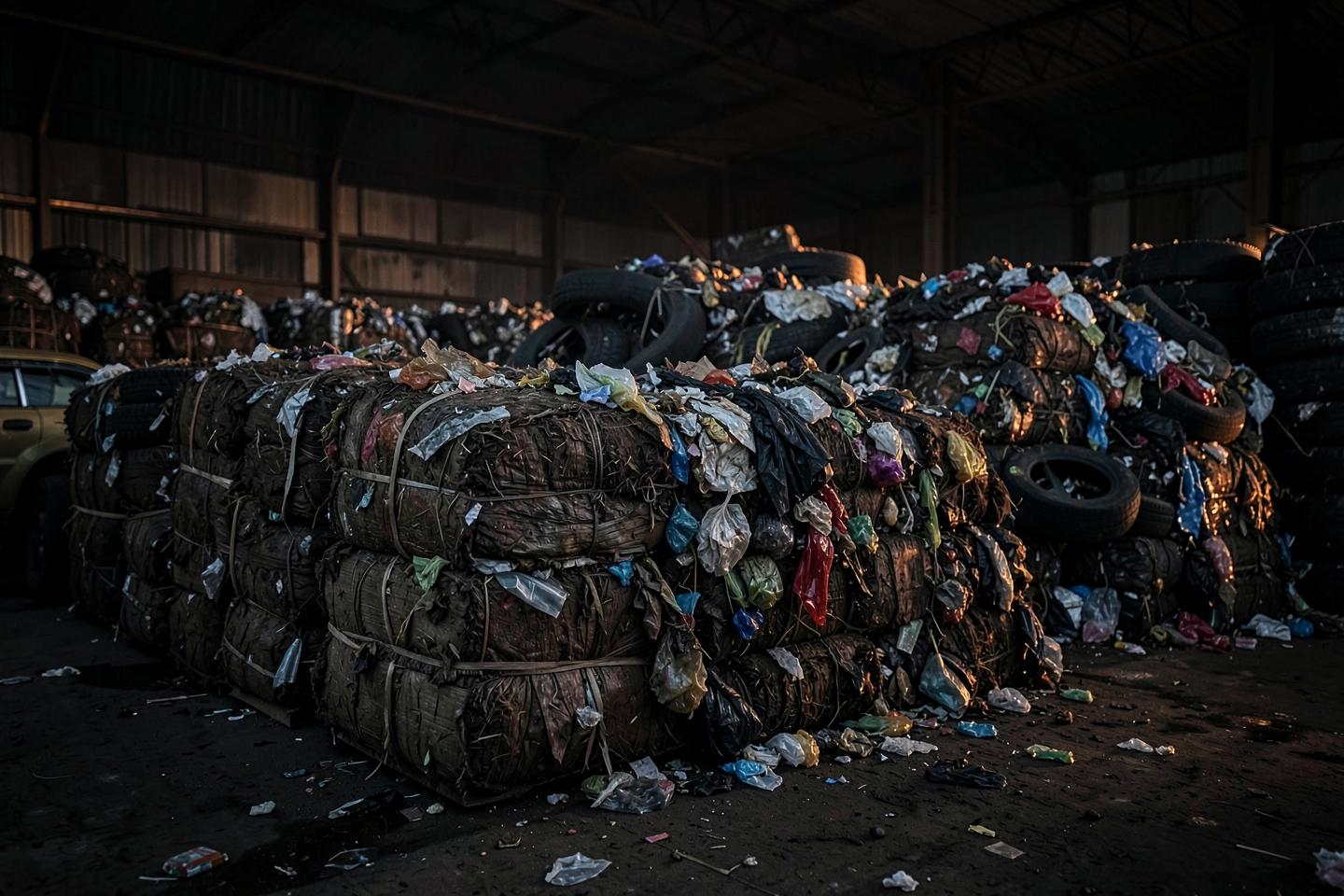
Mixed carbonaceous waste feedstock prepared for thermal conversion

Waste streams

Waste is not one material.

Every waste stream behaves differently. PTE evaluates its composition, energy content, moisture, ash, contaminants and recoverable carbon before defining the appropriate process architecture.

Assessed streams

Select a stream

Each card opens to show typical characteristics, preparation considerations, potential energy pathways, potential recovered products and the limitations that matter.

Typical characteristics

Highly heterogeneous household and commercial waste. Variable moisture, significant inert and organic fractions, seasonal swings in composition.

Preparation considerations

Reception and screening, removal of inerts and metals, size reduction, drying and homogenisation to reach a workable and consistent feed.

Potential energy pathways

Thermal conversion with gas routed to power generation; conditioned syngas may support synthesis routes where cleaning duty is justified.

Potential recovered products

Electrical power, recovered heat, hydrocarbon liquid intermediates, carbon-rich and inorganic residues, recovered metals.

Important limitations

Untreated MSW is not a fuel. Composition variability, moisture and contaminants make front-end preparation and gas cleaning decisive; product quality cannot be assumed without characterisation.

Next step

Outputs depend on feedstock, plant configuration and downstream upgrading. Send analysis data and we will assess this stream against your required outcome.

Route to value

From your waste to a defined product

  1. 01Your wasteAs received
  2. 02CharacteriseSampling & analysis
  3. 03PrepareSizing · drying · separation
  4. 04ConvertFlash pyrolysis
  5. 05RecoverVapour · gas · solids
  6. 06Create valuePower · fuels · products

Feedstock qualification

Eight questions we start with

01

What is it?

Material type, origin and how it arises in your operation.

02

How much is available?

Tonnes per day or per annum, and the contracted supply life.

03

Where is it?

Location, logistics, storage and grid or offtake proximity.

04

What is the moisture?

Water content drives drying duty and net recoverable energy.

05

What is the ash content?

Inorganic load affects handling, residues and equipment selection.

06

What contaminants are present?

Chlorine, sulphur, metals and other species set cleaning duty.

07

What is its calorific value?

Energy density governs throughput for a target output.

08

What outcome is required?

Power, liquid fuels or a synthesis pathway — each shapes the plant.

Not every stream qualifies, and no waste stream automatically produces specification-grade fuels. Achievable products, yields and quality depend on feedstock, plant configuration and downstream upgrading.

Don’t send waste to landfill before understanding what’s inside it.

Sampling and analysis cost a fraction of a landfill contract. Once the data exists, the decision becomes an engineering question rather than a disposal habit.